









Regional

Chrysanthemums add colorful hues to autumn in Western Pennsylvania

JoAnne Klimovich Harrop
By JoAnne Klimovich Harrop
4 Min Read Sept. 7, 2025 | 3 months Ago
Go Ad-Free today

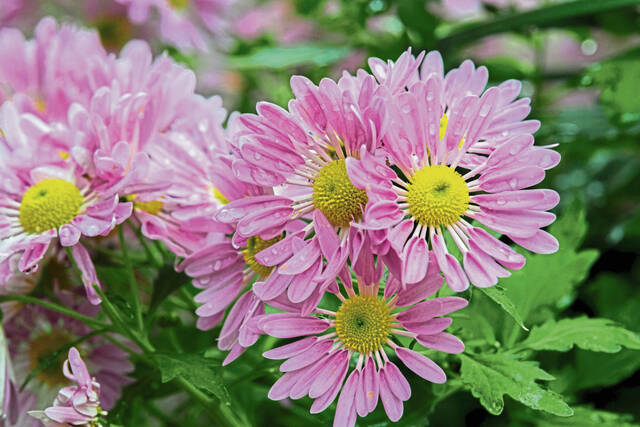
As most flowers lose their color this time of the year, chrysanthemums are just beginning to bloom.

The flowers, also known as “mums,” are perfect for fall because they are hardy and can endure some fluctuations in temperature, experts said.

You most likely will spot them popping up on front steps of a home, among fall decor displays and hanging from porches.

“They are beautiful plants,” said Chris VandenBosche, Penn State Extension educator/coordinator for the Master Gardener Program of Allegheny County. “I love them. Chrysanthemums come in all different colors. Another good thing about chrysanthemums is that they are not tasty to deer and rabbits.”

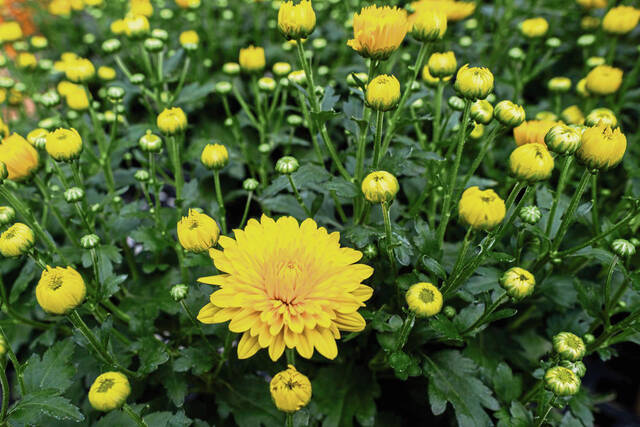
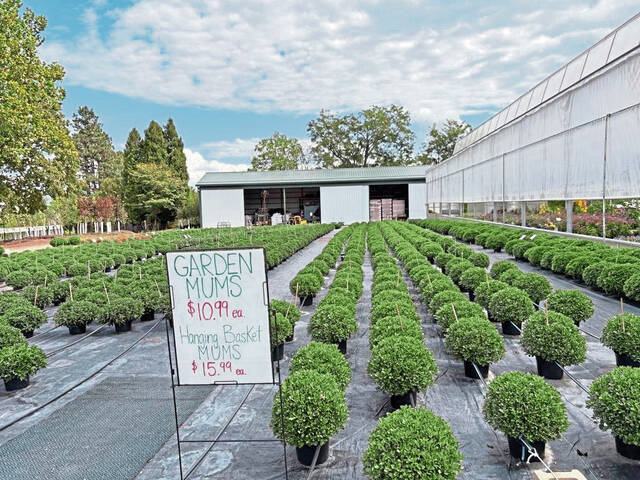
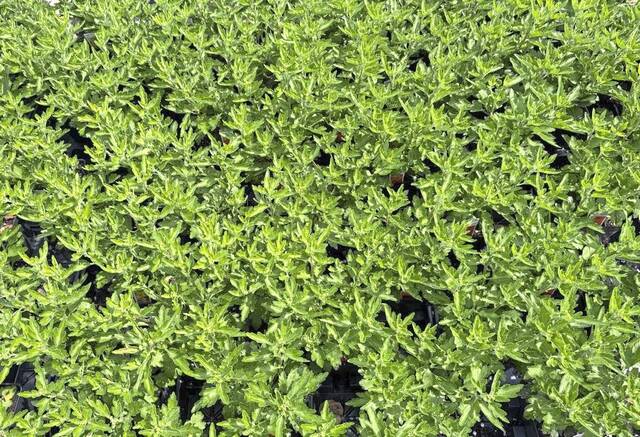
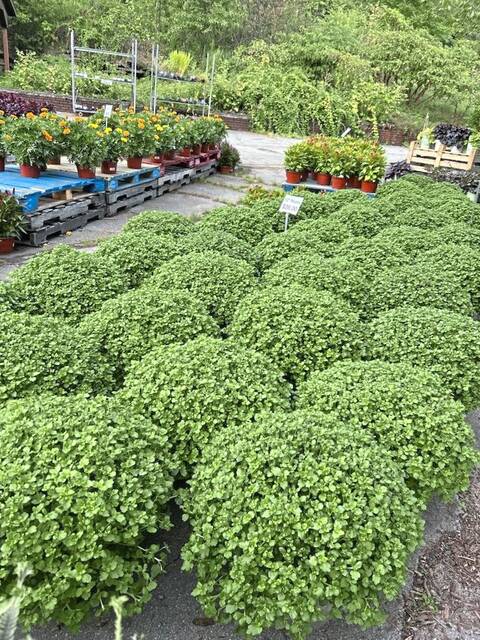
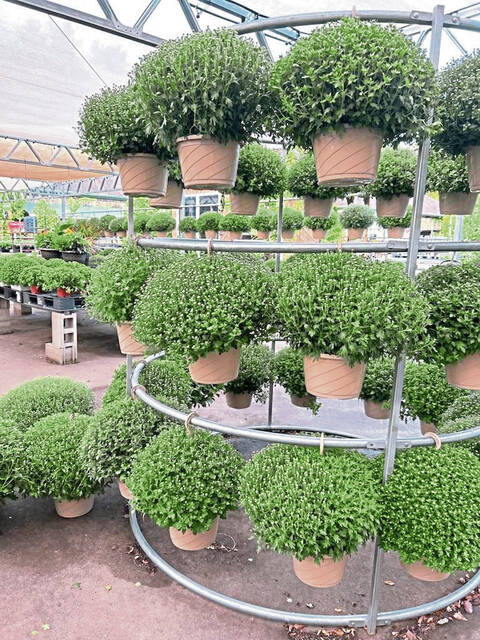
Most greenhouses are filled with chrysanthemums that are still lush and green, not yet in bloom. That’s exactly why many people like to buy them now — so they’ll burst into color just in time for fall, which begins Sept. 22. Once they do bloom, the flowers can last five weeks or more.

Bloom time

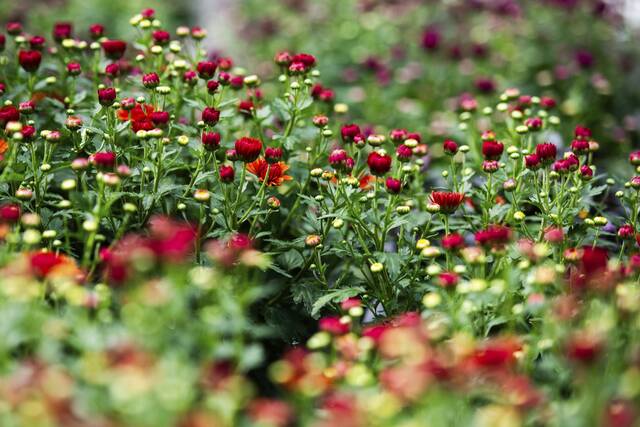
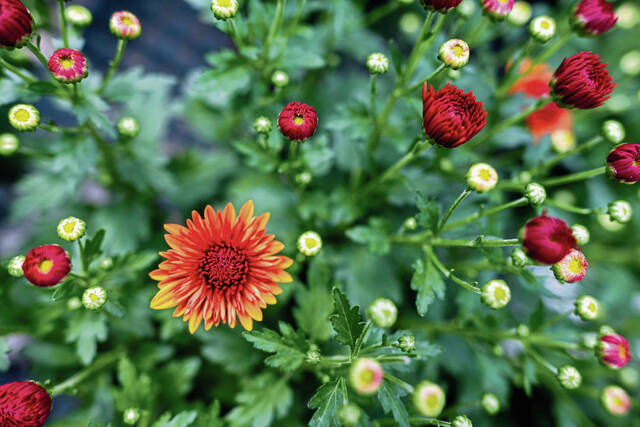
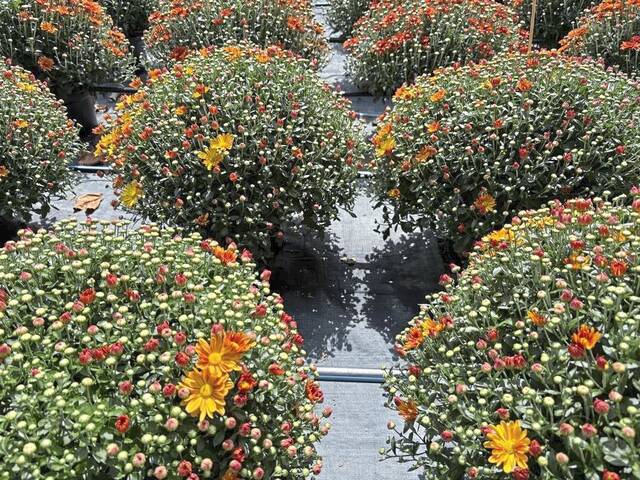
Over the next month and a half, chrysanthemums will reach full bloom. Depending on how they are grown, they will flower in stages — early, mid and late bloomers. Greenhouses organize chrysanthemums by bloom time and note the expected bloom time on cards nearby.

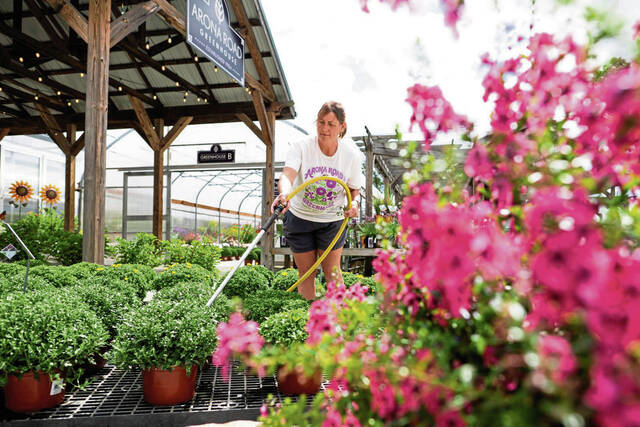
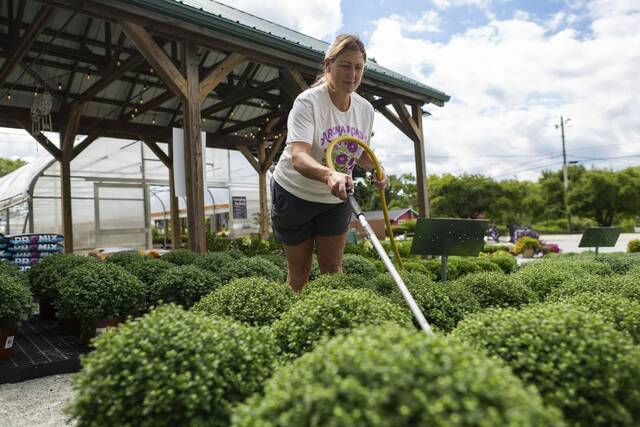
At Arona Road Greenhouse in Hempfield, Sarah O’Hern, who co-owns the family business with her brother Matthew Downs, said they have 500 with more scheduled to arrive this past week.

They grow some of the smaller chrysanthemums while the larger ones are brought in from New Jersey. There are many different types, O’Hern said. They need a lot of water, she said.

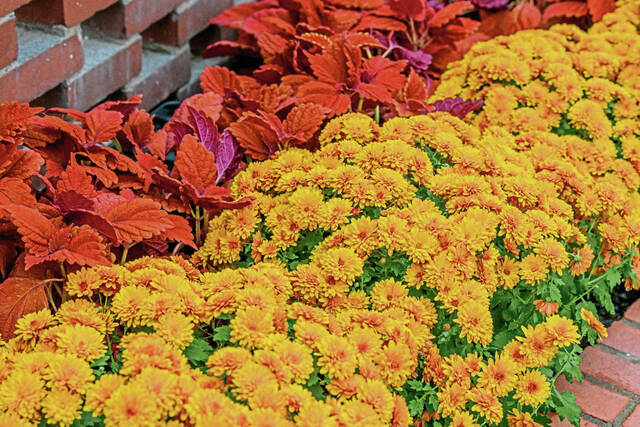
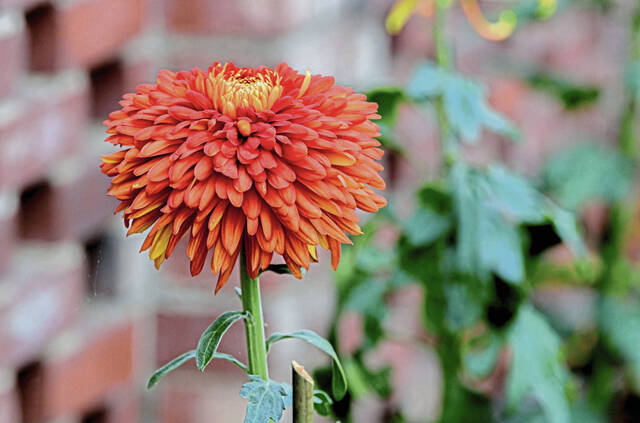
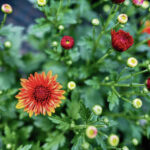
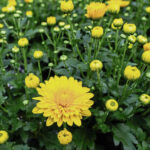
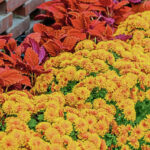
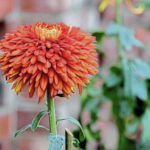
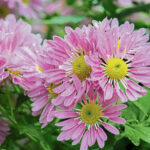
“The most popular colors are yellow and orange, but you can also find them in reds and pinks and purple and some white,” O’Hern said. “We’ve been seeing a nice coral color, too.”

One of the popular choices is tricolor pots, with three hues in one pot, O’Hern said.

The tri-color variety is also a popular seller at Flora Park Garden Center in Bethel Park, said Randy Stetor, who co-owns the business with his wife, Debra Galob.

“We do a lot of mixing of the three colors,” Stetor said. “(Chrysanthemums) are a hugely popular fall flower because they come in so many different colors. People like them because they are a cold-weather plant. They last and they will take a frost.”

Fall decor

It is best to plant them sooner rather than later, said Dan Higgins, co-owner of Michael Brothers Nursery in West Deer, before the ground gets too cold. You can also transfer them to a bigger pot and add more soil to give them more room, Higgins said.

At Michael Brothers Nursery, they grow as many as 2,000 and have been growing them for more than five decades, Higgins said.

“They are a very popular fall flower because people like to have something flowering in the fall, because by September flowers look washed up or dried out,” Higgins said. “And they go well with fall decorating.”

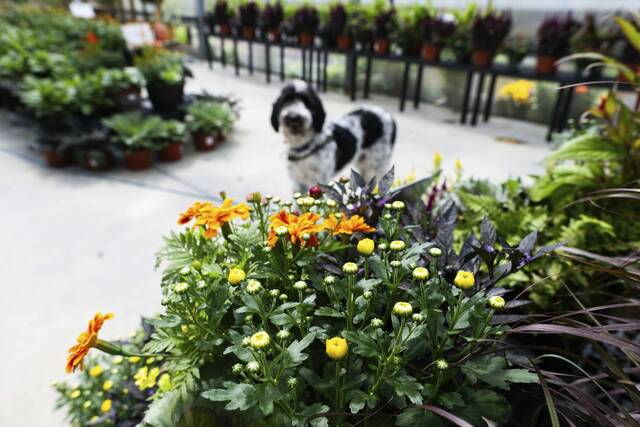
O’Hern suggests another way to incorporate chrysanthemums into fall decor is to combine them in a larger pot with something else, such as marigolds and flowering kale.

“You can get creative with them,” O’Hern said. “They don’t have to be a standalone flower.”

Alternatives

Chrysanthemums are not native to the U.S., VandenBosche said.

“What happens is some people will put them on the porch and when the plant dies, they throw it away,” VandenBosche said. “There are alternatives that people can plant that will give them fall flowers.”

The Lobelia cardinalis, known as the cardinal flower, has spikes of red flowers. A relative is Lobelia siphilitica, known as the blue lobelia.

“It will peak in early fall,” VandenBosche said.

The New England Aster, Symphyotrichum novae-angilae, is one of VandenBosche’s favorites to recommend to people who want that big show of purple flowers. New York ironweed can grow as tall as 8 to 10 feet in a shocking purple and yellow, she said. Late goldenrod is for moister soils or hairy goldenrod for dry soils, VandenBosche said.


Source: extension.psu.edu/native-perennials-for-fall

Share

Tags:

About the Writers

JoAnne Klimovich Harrop is a TribLive reporter covering the region's diverse culinary scene and unique homes. She writes features about interesting people. The Edward R. Murrow award-winning journalist began her career as a sports reporter. She has been with the Trib for 26 years and is the author of "A Daughter's Promise." She can be reached at jharrop@triblive.com.

Article Details

Caring for Chrysanthemums Chrysanthemums are one of the easiest perennials to grow. There are hundreds of varieties of chrysanthemums in…

Caring for Chrysanthemums
Chrysanthemums are one of the easiest perennials to grow. There are hundreds of varieties of chrysanthemums in a multitude of options for height, color, flower size and time of bloom.
Chrysanthemums can be started as seeds, from cuttings and dividing, or can be purchased at a garden center in sizes ranging from bedding plants to gallon-size containers.
Chrysanthemums grow best and produce the most flowers if they are planted in full sunshine and receive plenty of food and moisture.
Ideally, chrysanthemums should be planted in early spring after all danger of freezing has passed. They can really be planted almost any time, as long as they have time to establish their root system, at least six weeks before the extremes of either hot or freezing weather.
Chrysanthemums should be planted into well-prepared, fertile, loamy or sandy soil where they get full early morning sun, at least five to six hours daily. Dig a hole at least twice the size of the root ball and incorporate organic matter such as compost or peat to help with drainage.
Chrysanthemums are pretty tough and can thrive on their own, but they benefit from light and frequent feedings with a balanced fertilizer during the growing season. Fertilize when the plants are ready for blooming and discontinue fertilizing after flower buds are formed.
Do not grow your chrysanthemums in the same location for more than three consecutive years to prevent disease and pest problems.
Divide chrysanthemums in the spring when new growth appears every three to five years to avoid overcrowding and promote maximum flowering.
To grow from seed, sow at least two months before the first frost, or start indoors over the winter. The planting medium should be kept at 70 to 75°F, and seeds should germinate in one to three weeks.
After a hard frost has killed the foliage, you can cut Chrysanthemums back to the ground and provide a light, airy mulch of evergreen branches or similar material. The most dangerous hazard for chrysanthemums in the winter are constant wetness or ice on the leaves.
Chrysanthemums can be kept in pots over winter. After the flowers fade, move the Chrysanthemums to a cool but well-lighted location. Remove foil or other coverings from the pot. Be sure to keep your plants watered, but don’t overwater. When the potting soil dries to a depth of 2 to 3 inches, water it well so that water runs out of the hole in the bottom of the pot. By keeping the chrysanthemums in a cool, brightly lit location, you can keep the plants alive until the worst of winter is over and can plant them outdoors. Keep in mind that if you buy chrysanthemums and plant them this fall when they are already in bloom, they may not survive the winter. They will use all their energy in blooms instead of putting down roots.
Source: https://extension.psu.edu/chrysanthemum-care

Push Notifications

Get news alerts first, right in your browser.

Enable Notifications

Content you may have missed

Enjoy TribLIVE, Uninterrupted.

Support our journalism and get an ad-free experience on all your devices.

  • TribLIVE AdFree Monthly

    • Unlimited ad-free articles
    • Pay just $4.99 for your first month
  • TribLIVE AdFree Annually BEST VALUE

    • Unlimited ad-free articles
    • Billed annually, $49.99 for the first year
    • Save 50% on your first year
Get Ad-Free Access Now View other subscription options